
Century Village Files Frivolous Lawsuit Against Elderly, Disabled Man Over Service Dog

Century Village recently tried to eradicate service dogs for the disabled by suing elderly and disabled individuals and hoping they could not afford to retain counsel to defend themselves. One in particular has major depressive disorder, osteoarthritis, high blood pressure, and is hard of hearing. He owns a small Shih Tzu named Yummy, who has been properly trained and certified and is a working service dog. Florida statute §413.08(1)(b) defines a disability with respect to an individual as a person who is deaf, hard of hearing, blind, visually impaired, or has any type of impairment that substantially limits his ability to enjoy one or more major life activities. Federal Law defines a disability as “a physical or mental impairment that substantially limits one or more major life activities of such individual.” 42 U.S.C.S. § 12102. This lawsuit violated both state and federal law and was a complete abuse of the judicial system. Private clubs, providing they meet certain criteria, are exempt from the ADA and do not have to provide ADA accommodations, such as allowing a service dog, but a condo is not a private club. Each unit is privately owned, but the roadways and parking lot are shared by all unit owners. An individual unit owner has the right to say “I don’t want a service dog inside of my condo because I am allergic to dogs,” but the common grounds are for everybody who lives in the condo to use. Common grounds often include the pool area, laundry facilities, business offices, and outdoor restrooms. While the ADA governs the use of emotional support animals in public places, the Fair Housing Act governs the use of emotional service animals in housing. Under the Fair Housing Act, an individual with a disability is entitled to keep an emotional support dog in housing facilities that otherwise do not allow pets. An emotional support animal must be permitted as a reasonable accommodation when an individual requires the animal in order to have an equal opportunity to use and enjoy the housing. The assistance the animal provides must relate to the individual’s disability. An individual with a disability must acquire a special letter from a licensed mental health professional documenting the individual’s need for an emotional support animal. Our client had the appropriate letter from his psychiatrist. A condo is free to enact a no pet or no animal policy or have pet restrictions, such as size limits. However, a service dog is not considered a pet under the law and has status just as his owner would. Therefore, it is legal for a service dog to go anywhere his owner can go. A condo cannot discriminate from allowing a disabled person from purchasing or leasing a condo unit. A service dog is permitted without regard to any local animal or pet policies. Century Village knew that this is the law and filed the lawsuit anyway. There are many psychological benefits to being partnered with a service dog for people with major depressive disorder. A dog depending on him for care will likely encourage his owner to get out of bed to take the dog for a walk and to give the dog food, water, treats, and toys. The simple act of getting up and moving around, especially getting fresh air, can help relieve some of the symptoms of depression. The routine of caring for the dog can help the person get on a routine for feeding and caring for himself at the same time, i.e. when the dog eats dinner, the disabled person also eats dinner. Some people with suicidal ideation have reported they would not be able to act on their thoughts of suicide for fear of leaving a beloved companion without care. Many studies have shown that interactions with dogs and other animals cause biochemical changes in both the person and the animal, resulting in feelings of calmness and lowered blood pressure. When trained therapy dogs visit hospitals, the patients feel calmer and their physical health improves as a result. Unless a dog is trained to independently recognize and respond to its owner’s psychiatric disability, the dog does not qualify as a psychiatric service dog and does not receive the protections of the ADA. In this case, the judge found that our client was a qualified member of the class protected by the ADA, that his dog was a compliant service dog under the ADA and that Century Village is subject to the ADA. They are not a private club because there is a real estate office open to the public within Century Village, which makes their roadways public accommodations.
What To Do If You Suspect Nursing Home Abuse
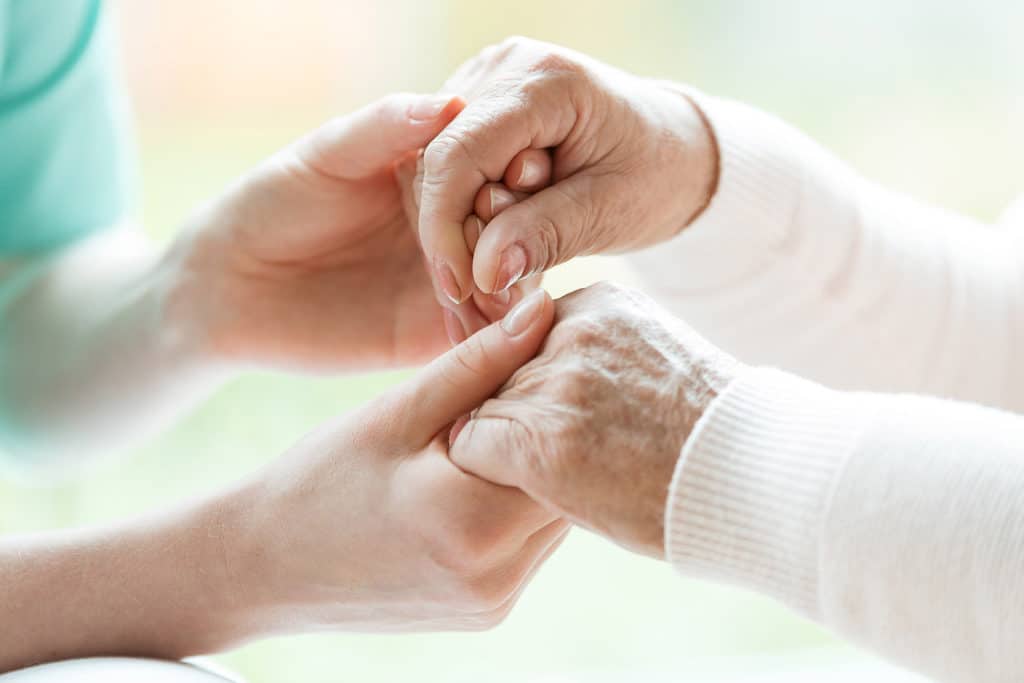
When our parents or loved ones reach old age and we aren’t able to care for them ourselves, we put them in the care of professionally-run nursing homes. As such, we expect these nursing homes and assisted living centers to be of the highest quality, and staffed with caring, well-trained professionals. Unfortunately, no elderly care center is perfect, and some may fail to provide the level of quality care and ease-of-mind we entrust to them. If you do find yourself in a situation where you suspect your loved one to be a victim of nursing home abuse, there are several things you can do. First, you’ll want to take stock of the situation. Do you notice any of the most common warning signs? Common Signs of Nursing Home Abuse or Neglect: Unexplained negative changes in emotion Bleeding Bruising Unexplained illness Strange financial transactions Failure of nursing home staff to abide by residents’ right to privacy If you notice any of these things happening, the first thing you should do is talk to your loved one. Be aware though that some victims of abuse or neglect won’t disclose their situation for fear of retaliation or fear of being seen as a “complainer.” If this is the case, here’s how you should proceed. Stay Calm Avoid escalating the situation unless your loved one’s life is in immediate danger. Bring your concerns of abuse directly to the nursing home staff. If their explanation doesn’t meet your standards or fails to properly address your concerns, you’ll want to start documenting the situation. Visit more frequently, get a real grasp on the situation, and gather intel. Take Detailed Notes If you suspect nursing home abuse is going on, one of the most helpful things you can do is collect evidence. Take photos or videos of injuries, unsatisfactory living conditions, or inappropriate staff behavior. Jot down any relevant information provided to you by your loved one or nursing home staff. If you are in a situation involving nursing home abuse, the evidence you collect can help win your case. You’ve probably heard that you need “collateral” and unfortunately, that’s usually true. Every bit of evidence will play a significant role in the outcome of your case. Call The Police It is important to note that, if you believe your loved one’s life is in serious or immediate danger, do not hesitate to call 911. In extreme cases, police may be necessary to ensure the safety of nursing home residents. As always, make sure to get copies of the police reports and anything else that occurs during this process. Contact a Nursing Home Abuse Attorney If your loved one is experiencing nursing home abuse, they are entitled to protection under the law. In cases like these, confronting the abusers can be emotionally taxing for you and for your loved one. That’s why it’s important to speak to a licensed nursing home abuse attorney who can help you report any abuse that’s happening and protect your loved one’s rights. If you believe that you or a loved one has suffered from nursing home abuse, don’t hesitate to contact the Porcaro Law office for a free consultation. We’ll help you navigate your available options, and help you and your loved one gain the compensation you deserve. Our attorney has 10+ years experience in this subject matter We help victims in Delray Beach, Boca Raton, Boynton Beach, Deerfield Beach, West Palm Beach, Pompano Beach, Fort Lauderdale, Miami, and the South Florida area. For more information or to schedule your free consultation, please contact us today or give us a call at (561) 286-7561. You can read our 50+ five-star reviews on Google here.
Florida Nursing Homes 101: Everything You Need to Know

Nursing Homes in Florida Florida is a hot bed for nursing homes. Unfortunately, not all of these homes are handled with the appropriate care and staffing. Lately, there have been a lot of complex issues arising in nursing homes around Florida. If you have a loved one that needs to be admitted to a nursing home on short notice, we’ve compiled a list of screening tips to follow. This will provide your family with the reassurance they need. How to Choose the Right Nursing Home 1. Don’t pick the very first one. Don’t pick the first nursing home you find or visit. Nursing homes employ numerous marketing representatives that will bribe you with gifts, invite you to lunch, etc. Do your research, read reviews online, and look for blog posts and other resources on the internet regarding the facility. 2. Do your research. The Florida Agency for Healthcare Administration operates a website located at FloridaHealthFinder.gov that contains information concerning all nursing homes licensed by the State of Florida. You can find information such as recent inspection reports that are important to research before picking your home. 3. Visit the nursing home in-person. In addition to doing your due diligence online, it is important to actually visit the nursing home in-person. You can use your senses in-person. Does there appear to be enough staff around when you’re visiting? How does the facility look, smell, and feel? These are questions that you can only ask yourself when you’re physically at the facility. Use your best judgement. 4. Speak to other residents. Speak to the family members of other residents there if you have the opportunity. They will likely provide honest feedback that will help you with your decision. 5. Don’t sign the arbitration agreement. When signing paperwork, do not sign the arbitration agreement. Legally, you can and should refuse to sign this agreement. By signing that clause, you waive your constitutional right to hold the nursing home operator accountable in a court of law in the event that they harm your loved one. 6. Visit regularly. After your loved one is admitted, visit them regularly (especially in the beginning). Monitor any changes in mood, pain, and overall health status and bring these issues to the attention of the staff and/or director. 7. Be aware of under-staffing. This is the main cause of harm that occurs in most nursing homes in Florida. If you are experiencing issues with a nursing home incident or situation, don’t hesitate to call the Porcaro Law office for more information. Peter Porcaro is a well-versed personal injury attorney located in Delray Beach, Florida. He specializes in nursing home abuse and neglect. Our firm is here for you and will fight for you and your loved ones.
Elder Fraud on the Rise
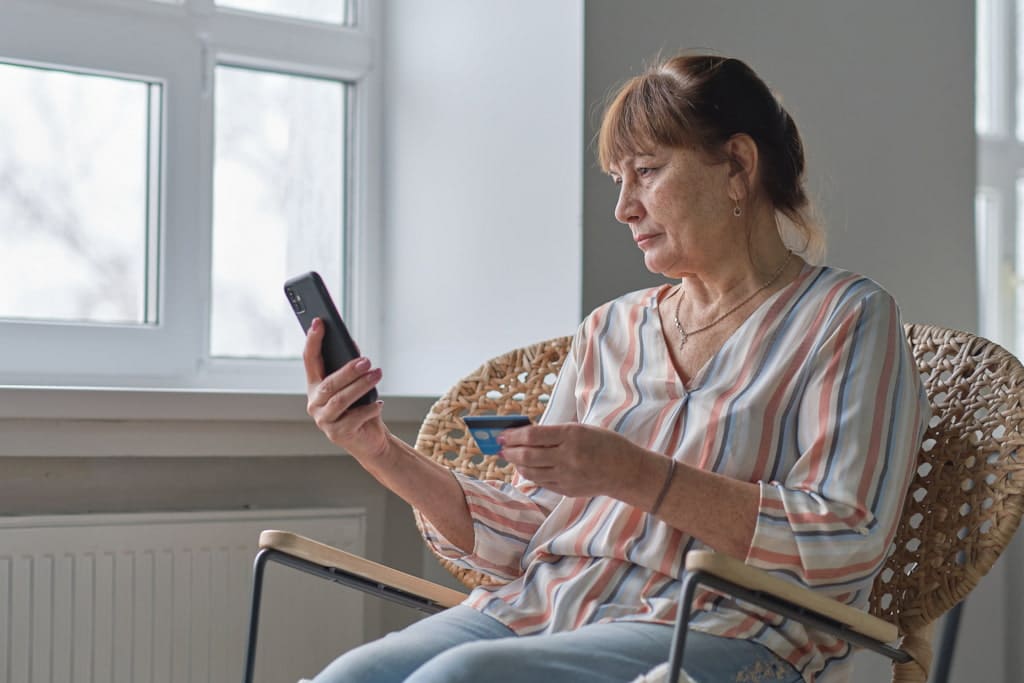
The number of Americans over the age of sixty, complaining about fraud, has almost doubled since 2008, according to the Federal Trade Commission. Why is it that the elderly population is being taken advantage of more than any other age group in the U.S.? In a survey, one in every five Americans over the age of sixty five has been financially abused and according to Metropolitan Life Insurance, it has set back this older generation over $2.9 million dollars. It’s obvious that old age is a huge factor to the fraud being committed, since elderly people tend to be easier targets and are less aware of the scams they are getting themselves involved in. Surprisingly, only 10 percent of these frauds are being reported, due to fear of their financial independence being taken away from them by family members. By the looks of it, this problem seems to be only growing and with the unbelievable amount of scam artists in this country, the number of frauds reported should increase significantly in the upcoming years.