
Accidents
Vehicle Damage Vs. Brain Injury: When a West Palm Beach Claim Is Serious
A dented bumper does not tell you whether a brain was injured. I have heard versions of the same story for years: a West Palm Beach driver walks away from a …








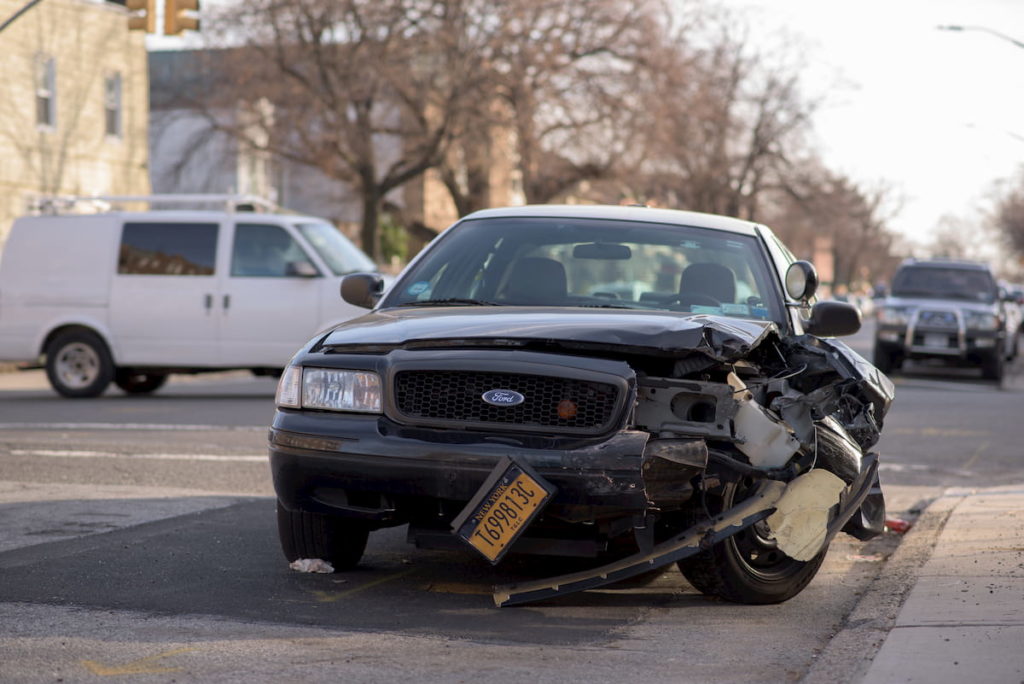

A dented bumper does not tell you whether a brain was injured. I have heard versions of the same story for years: a West Palm Beach driver walks away from a …

A client I think about often was a Palm Beach County rider I will call Daniel. A driver turned across his path during a late-summer afternoon storm and Danie…

An underride crash can turn an ordinary drive home into a medical emergency without warning. In a composite situation we often hear about, a driver is travel…

After a catastrophic crash, daily care can tell a fuller story than any hospital chart. I am Peter Porcaro, and I think of a composite Delray Beach family wh…
When I first meet someone after a Boca Raton crash, the collision is often no longer the part they are thinking about most. The person in front of me may hav…

The Crash Looked Small Until Work Became Impossible One composite client’s story has stayed with me because it is so familiar. After a rear-end crash in Delray Beach, he stepped out, saw limited damage, declined an ambulance, and told himself he was lucky. A few days later, neck pain, headaches, dizziness, and back spasms set in. Sitting through a workday, lifting equipment, driving safely, or staying focused suddenly felt impossible. When I was a younger attorney, I saw how often injured people were judged by the damage to their bumper instead of the changes in their lives. More than two decades later, I still see that pattern. The damage on a vehicle does not tell me what happened to your neck, back, brain, or an old injury that was made worse. When an insurer calls a collision “minor,” that does not erase the real changes in your health or your paycheck. When Pain Makes Your Job Unsafe For the client in that composite story, the problem became clear when he tried to return to physical work. He could walk out of urgent care, but that did not mean he could safely carry supplies, climb a ladder, lift a toolbox, stand for a long shift, or drive a delivery route. After a low-speed collision, even ordinary movements can become painful or risky. I often see people dealing with injuries such as: Neck and lower back strains that limit bending, turning, and lifting Herniated discs or nerve irritation that cause pain, numbness, or weakness Muscle spasms that make driving or working around machinery unsafe Prior back, neck, or joint problems aggravated by the force of the crash Missed work is not always a choice. A doctor may give you restrictions. Your employer may not have light-duty work available. Or you may realize that pushing through the pain could lead to a fall, another injury, or a longer recovery. As a car accident lawyer in Delray Beach, I do not stop at photographs of the vehicles. I need to understand what your actual workday requires. There is a major difference between saying someone can “move around” and showing that they can safely perform the job that pays their bills. Brain Injuries Can Hide Behind a Normal Scan Another composite client returned to work believing that exhaustion, forgetfulness, and a short temper were just stress. Before long, she was missing appointments, losing her train of thought, struggling with computer screens, and feeling overwhelmed by normal noise and bright light. A traumatic brain injury can occur even without a visible head wound or a long period of unconsciousness. During a sudden impact, the brain can move inside the skull. That can lead to symptoms that affect how you think, feel, and function. Common concerns can include: Headaches, dizziness, or balance problems Memory lapses and slowed thinking Sleep disruption and unusual fatigue Mood changes, irritability, or anxiety Trouble focusing, reading screens, or making routine decisions Although a normal initial CT scan can still be important because emergency imaging may rule out certain immediate dangers, it may not explain every cognitive or neurological symptom a person has after a crash. Persistent symptoms deserve prompt medical evaluation and follow-up care. For someone whose job involves driving, safety decisions, customer communication, detailed paperwork, or operating equipment, these problems can be career-changing. I take those limits seriously because the ability to work is about much more than whether you can physically show up. Summer Roads Can Make a Low-Speed Crash Serious Late summer in Delray Beach brings its own driving problems. Afternoon storms can leave roads slick. Sun glare can make it harder to see a stopped vehicle. Back-to-school traffic, crowded intersections, parking areas, and hurried drivers can create the kind of sudden impact that catches a person completely off guard. Speed matters, but it is not the whole story. In cases I have handled, how a person’s body absorbs force can depend on several details: The angle of impact Whether your head was turned at the moment of the hit Your seat position and whether you were braking Your body size and existing medical conditions Whether there was more than one impact A driver stopped at a red light has little chance to brace before being hit. That matters. So does the fact that adrenaline can cover up pain in the first hours after a collision. Inflammation and muscle tightness may build over the next several days. I do not think every ache means the worst. Still, a meaningful change in your ability to move, think, sleep, drive, or work should not be brushed aside because you initially went home from the scene or tried to return to work the next morning. Evidence Should Show What Changed in Your Life Insurance companies may point to a low repair estimate, no ambulance ride, or a delay before treatment. Their version of the case may be that the crash could not have caused much harm. My job is not to exaggerate an injury. It is to gather the evidence that shows what actually changed after the wreck. For a worker who can no longer do the same job, the proof may come from several places. Medical records can document symptoms, treatment, and work restrictions. Wage records, schedules, tax returns, disability paperwork, and employer statements can help show missed income or a reduced ability to earn. Spouses, coworkers, and friends may also see the everyday differences, including missed family activities, poor sleep, pain after simple tasks, or trouble concentrating. Early evidence can matter just as much. Crash reports, photos, witness information, available vehicle data, nearby surveillance footage, and communications with insurers may become harder to find over time. Speaking with a car accident lawyer in Delray Beach can help keep the focus on the full picture, not just a photo of a bumper. At Porcaro Injury Law, clients speak directly with me about what has changed in their lives. I focus on serious injury, catastrophic injury, wrongful death, and traumatic brain