Premises Liability Lawyer Delray Beach

Premises Liability Lawyer Delray Beach | Florida | Porcaro Law

Delray Beach

Have you been injured on someone else’s property? Call the premises liability lawyer in Delray Beach for free advice.

If you’ve been injured while on someone else’s property, it’s important to contact an experienced lawyer immediately to help determine if you have a personal injury claim. Premises liability law in Florida holds property owner's responsible for the injuries a person sustains while on their land. Our Delray Beach personal injury lawyers have recovered millions for injured victims in premises liability cases, including slip and falls, elevator accidents, and negligent security.

$15+ MILLION RECOVERED

FREE
CONSULTATIONS

NO FEES
UNLESS WE WIN

Contact Us Now

No fees unless we win • Same-day consultations available
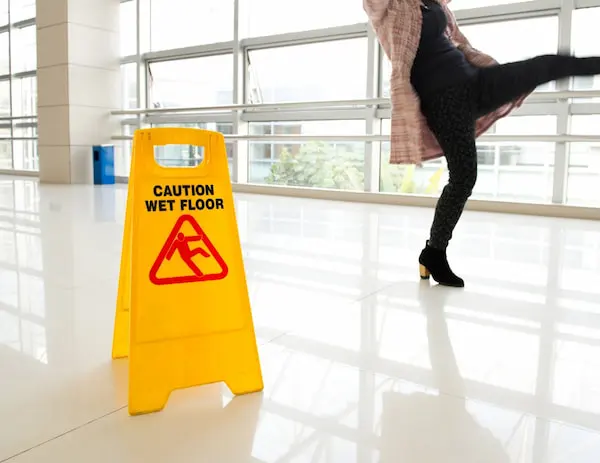
Premises Liability Attorney in Delray Beach, Florida.

What to Expect

Step 01 .

Immediate Case Evaluation:

We offer a free, no-obligation consultation to listen to your story, review the evidence, and determine the strength of your claim.

Step 02 .

Strategic Investigation:

Our team moves quickly to preserve evidence, interview witnesses, and secure documentation.

Step 03 .

Medical & Recovery Support:

We ensure you are receiving the proper medical attention and that your injuries are fully documented to reflect the true impact on your life.

Step 04 .

Determined Negotiation:

We present a comprehensive demand to the insurance companies. We handle all direct communication, protecting you from their high-pressure tactics.

Step 05 .

Resolution & Litigation:

While many cases settle out of court, we are always prepared to take your case to trial if the insurance company refuses to offer a fair settlement.
What Is Premises Liability?

truck accident lawyer Delray Beach Florida

Premises liability refers to the legal responsibility of property owners and managers for injuries that occur on their property due to unsafe conditions. In Delray Beach, Florida law requires property owners to take reasonable steps to maintain safe premises, warn visitors of known hazards, and address dangerous conditions promptly. When they fail to do so and a visitor is injured, the owner may be held liable.

Common Types of Premises Liability Cases

Slip and Fall Accidents

Wet floors, icy surfaces, uneven pavement, poorly marked hazards, and defective flooring are among the most common premises liability claims. Businesses, restaurants, retail stores, and apartment complexes all have a duty to maintain safe walkways.

Trip and Fall Accidents

Broken stairs, loose carpeting, raised sidewalk edges, and inadequate lighting can cause serious trip and fall injuries — particularly for older adults.

Negligent Security

Property owners — including apartment complexes, hotels, parking garages, and commercial properties — have a duty to provide adequate security. When insufficient security enables an assault, robbery, or other violent crime, the property owner may be liable for resulting injuries.

Swimming Pool Accidents

Florida property owners with swimming pools have heightened duties to prevent unauthorized access, particularly by children. Inadequate fencing, missing safety equipment, or unsupervised pools can give rise to serious premises liability claims. See also our swimming pool accident practice.

Dog Bite Injuries on Property

Property owners may be liable when a dangerous dog injures a visitor on their premises if they were aware of the dog’s dangerous nature. See our dog bite practice for more.

Defective Property Conditions

Broken handrails, faulty elevators, collapsing ceilings, inadequate lighting, and other structural defects create liability when property owners knew or should have known about the condition and failed to repair it.

Amusement Park and Entertainment Venue Accidents

Rides, attractions, and venues have heightened safety obligations. See our amusement park accident practice for more on entertainment venue claims.
Cases We Handle

Proving Premises Liability in Florida

To succeed in a premises liability claim, we must establish four elements:

  • Duty of care: The property owner owed you a legal duty to maintain safe premises.
  • Breach: The owner knew or should have known about the dangerous condition and failed to address it.
  • Causation: The unsafe condition directly caused your injury.
  • Damages: You suffered quantifiable losses as a result.

Gathering evidence immediately is critical — surveillance footage is often overwritten within days, incident reports can be altered, and witness memories fade. Our attorneys act quickly to preserve this evidence. If you had permission to be on the property, you have the right to pursue a claim.

Why Choose Porcaro Law for Nursing Home Liability Cases

Seek justice for your loved ones.

Falling Object and Defective Product Claims

Premises liability can also arise from falling products in retail environments. Unsecured merchandise on high shelves, collapsing displays, defective packaging, and spills can cause serious injuries. These cases may involve both the property owner and the product manufacturer through a combined premises and product liability claim.

Contact Us Now

No fees unless we win • Same-day consultations available

Compensation Available

  • Medical expenses — current and future treatment
  • Lost wages and reduced earning capacity
  • Pain and suffering
  • Emotional distress
  • Wrongful death damages — when a premises accident proves fatal

Florida Premises Liability Legal Rights

  • Statute of Limitations: TWO YEARS from the date of injury to file a premises liability lawsuit in Florida (HB 837, March 2023). Wrongful death claims also have a TWO YEAR deadline.
  • Comparative Negligence (‘50% Bar’ Rule): Florida’s modified comparative negligence rule allows you to recover compensation if you are not more than 50% responsible — but your award is reduced by your percentage of fault.
  • Attractive Nuisance Doctrine: Property owners may be liable for injuries to children if their property contains features — like swimming pools or climbing structures — that attract children onto the property.
  • Contingency Fee: No upfront costs — you pay only if we win.

Related Practice Areas


Porcaro Law Group represents premises liability victims throughout South Florida including Boca Raton, Fort Lauderdale, West Palm Beach, and Boynton Beach.

Cases We Handle

Carbon monoxide (CO) is a colorless, odorless gas produced by the incomplete combustion of carbon-based fuels such as gas, oil, wood, and coal that can . Understanding the causes, symptoms, and preventive measures for carbon monoxide poisoning is crucial to safeguarding yourself and your loved ones.Here are some common causes of carbon monoxide poisoning:
  • Faulty or Poorly Maintained Appliances: Malfunctioning or improperly maintained fuel-burning appliances such as furnaces, water heaters, boilers, gas stoves, and ovens can produce CO when they don’t burn fuel completely.
  • Blocked or Clogged Vents: Blocked chimneys, flues, or exhaust vents can prevent the proper ventilation of CO, leading to its accumulation indoors.
  • Using Generators Indoors: Running portable generators, gasoline engines, or charcoal grills indoors or in enclosed spaces can release dangerous levels of carbon monoxide.
  • Car Exhaust: Leaving a car running in a closed garage or any enclosed area can lead to the buildup of CO, posing a significant risk.
  • Fireplaces and Wood-Burning Stoves: Inadequate ventilation or using these heating sources improperly can result in the release of carbon monoxide.
  • Gas-Powered Tools: Using gas-powered tools such as chainsaws, lawnmowers, and leaf blowers in enclosed or poorly ventilated spaces can generate CO.
  • Blocked or Damaged Furnace Heat Exchangers: Cracks or damage to the heat exchangers in furnaces can allow CO to escape into the home.
  • Barbecue Grills: Using charcoal or gas grills indoors or in areas with poor ventilation can produce dangerous levels of CO.
  • Boating and Recreational Vehicles: CO poisoning can occur on boats or in RVs when fuel-burning appliances are not properly vented or when there is poor ventilation.
  • Exhaust from Nearby Vehicles: In some cases, the exhaust from vehicles parked too close to a building or the vent intake can seep indoors.
 
Identifying Liability in Carbon Monoxide Poisoning Incidents
When a carbon monoxide poisoning incident occurs, it’s essential to determine who may be legally responsible. Potential liable parties can include landlords, property owners, maintenance personnel, manufacturers of faulty appliances, or even contractors who improperly installed heating systems.  
Seeking Compensation for Carbon Monoxide Poisoning Victims
Carbon monoxide poisoning incidents can have devastating consequences. Therefore, identifying liability and seeking compensation are essential steps towards justice and financial recovery for victims and their families.Our dedicated Delray Beach premises liability attorneys tirelessly strive to hold responsible parties accountable while pursuing the recovery of the following forms of compensation:
  • Medical Expenses: Victims of carbon monoxide poisoning may face significant medical bills for hospitalization, treatment, and ongoing care. Seeking compensation can help cover these expenses.
  • Loss of Income: Many victims are unable to work during their recovery, resulting in lost wages. Compensation can provide financial support during this period.
  • Pain and Suffering: Carbon monoxide poisoning can lead to physical and emotional suffering. Victims may be eligible for compensation for pain and mental distress.
  • Wrongful Death: In tragic cases where carbon monoxide poisoning leads to fatalities, surviving family members may pursue wrongful death claims to seek compensation for their loss.
Swimming pools are synonymous with relaxation, fun, and leisure, but beneath the surface, there are potential risks that demand our attention. Accidents in and around swimming pools can lead to serious injuries and, tragically, even drownings. 

Types of Swimming Pool Accidents

Swimming pool accidents can take various forms, including:
  • Slip and Falls: Wet pool decks are notorious for slip and fall accidents, often resulting from inadequate non-slip surfaces or poor maintenance.
  • Diving Accidents: Insufficient water depth or improperly marked diving areas can lead to catastrophic head and spinal injuries.
  • Electrical Accidents: Faulty pool lighting or electrical systems can cause shocks or electrocutions.
  • Drain Entrapment: Poorly designed or maintained drains can trap swimmers underwater, posing a significant danger.
 
Drowning Incidents and Legal Responsibility
Drowning is the most severe consequence of swimming pool accidents. In cases of drowning, legal responsibility can extend to:
  • Pool Owners
  • Supervisors
  • Manufacturers
 

Negligence in Pool Maintenance Supervision

Negligence is often at the heart of swimming pool accidents. This negligence can manifest in several ways:
  • Inadequate Supervision: Insufficient lifeguards or untrained staff can lead to delayed responses during emergencies.
  • Lack of Safety Equipment: A shortage of lifebuoys, life vests, or first aid kits can hinder rescue efforts.
  • Poor Maintenance: Neglecting regular pool maintenance, including water quality, filtration, and equipment upkeep, can create hazardous conditions.
 

Recovering Damages in Swimming Pool Accident Cases

Recovering damages in swimming pool accident cases can offer financial relief. Identifying liability is key. Victims file insurance claims for expenses like medical bills and lost income. In complex cases, lawsuits may be needed. In severe incidents or wrongful death cases, compensation may cover emotional distress and loss of companionship.

Defective Product Liability in Premises Cases

In premises cases, defective product liability pertains to the legal responsibility of manufacturers, distributors, and retailers for injuries resulting from defective products found within public spaces. Such liability encompasses three primary categories of product defects: design defects, which stem from inherent safety flaws; manufacturing defects, arising from production errors; and marketing defects, linked to inadequate warnings, instructions, or improper labeling. 
Types of Falling Product Accidents
Falling product accidents can occur due to various circumstances, each presenting distinct risks. These accidents involve:
  • Unsecured merchandise, where products on high shelves may fall onto customers
  • Malfunctioning displays or shelving units that can collapse, causing items to tumble
  • Defective packaging that allows products to fall out
  • Slippery floors, where spills or wet surfaces can lead to products slipping from shoppers’ hands.
 
Manufacturer and Retailer Liability
In the context of falling products, liability extends to manufacturers and retailers alike. Manufacturers can be held responsible for design, manufacturing, and marketing defects, making them the primary point of accountability.Retailers, on the other hand, may also be liable for selling defective products, especially if they were aware of the defects or failed to provide adequate warnings to customers. Recognizing the shared responsibility of manufacturers and retailers is fundamental to pursuing compensation for injuries caused by falling objects. 
Pursuing Compensation for Falling Product Injuries
When addressing injuries from falling products, follow key steps: document the incident and gather witness details, seek prompt medical care, preserve damaged items as evidence, consult an experienced attorney for claim evaluation and liable party identification, and establish negligence for pursuing compensation, including medical costs, lost income, pain, suffering, and related damages. You’ll want an experienced Florida premises liability lawyer to represent your case.
Common Causes of Parking Lot Falls
Common causes of parking lot falls, which lead to trips and sustained injuries, include:
  • Inadequate lighting
  • Uneven surfaces
  • Potholes
  • Ice or snow accumulation
  • Spilled liquids
  • Lack of proper signage
  • Debris
  • Establishing Negligence in Parking Lot Maintenance
Negligence in parking lot maintenance can be established by demonstrating that the property owner or manager failed to exercise reasonable care. This may involve proving that they knew or should have known about hazardous conditions and neglected to address them, resulting in the injury. 
Compensation for Parking Lot Fall Injuries
Compensation for parking lot fall injuries may include medical expenses, rehabilitation costs, lost wages, pain and suffering, and property damage. The specific compensation will depend on the circumstances of the case, the extent of the injuries, and the level of negligence involved. 
Representing Clients in Parking Lot Fall Lawsuits
Lawsuits of this nature require a thorough understanding of premises liability law. Attorneys will gather evidence, interview witnesses, assess liability, negotiate with the opposing party or insurance company, and, if necessary, litigate the case in court to secure fair compensation for their clients.
Identifying Hazards in Stairway Design and Maintenance
Identifying hazards in stairway design and maintenance involves assessing potential risks such as:
  • Uneven steps
  • Inadequate handrails
  • Poor lighting
  • Slippery surfaces.
These factors can indicate negligence in upkeep and design and potentially leading to accidents and injuries. 
Holding Property Owners and Contractors Accountable
Property owners and contractors can be held accountable for defective stairways if they fail in their duty to maintain safe conditions. Liability may arise from inadequate maintenance, non-compliance with building codes, or negligence in construction or repairs. 
Recovering Damages in Defective Stairway Cases
Recovering damages in defective stairway cases may include compensation for medical expenses, lost income, pain and suffering, and property damage. The extent of damages depends on the severity of injuries and the level of negligence demonstrated. 
Litigating Defective Stairway Injury Lawsuits
The process of litigating stairway injury lawsuits entails thorough case preparation, evidence collection, expert testimony, and negotiation or litigation to establish liability and secure fair compensation for the injured party. Legal expertise in premises liability law is essential for a successful outcome.
Landlord’s Duty of Care towards Tenants and Visitors
Landlords owe a duty of care to both tenants and visitors. This duty includes maintaining safe premises, promptly addressing hazards, and ensuring compliance with building codes and safety regulations. 
Addressing Negligent Landlord Practices
Negligent landlord practices, such as failure to maintain or repair property, inadequate security measures, or neglecting to address known safety concerns, can result in injuries. Legal action may be pursued to hold landlords accountable for their negligence. 
Seeking Compensation from Negligent Landlords
Victims of injuries due to landlord negligence may seek compensation for medical expenses, lost income, pain and suffering, and property damage. Pursuing compensation typically involves legal proceedings to establish negligence and liability. 
Advocating for Tenants’ Rights in Premises Liability Cases
In premises liability cases involving landlords, tenants have the right to advocate for their safety and seek legal remedies for injuries. A Florida premises liability lawyer can help tenants navigate the legal process with ease and ensure their best interests are protected.
Homeowner’s Responsibility for Visitor Safety
Homeowners have a legal duty to ensure their property is reasonably safe for visitors. This includes addressing known hazards, maintaining safe conditions, and providing warnings where necessary. 
Trespasser Liability and Duty of Warning
While homeowners owe a duty of care to visitors, their duty toward trespassers is limited. However, homeowners may still have a duty to warn trespassers of known dangers if the trespasser is unlikely to discover them independently. 
Defending Homeowners in Premises Liability Claims
In premises liability claims, homeowners can defend themselves by demonstrating they fulfilled their duty of care or that the injured party’s actions contributed to the accident. Legal counsel is crucial in crafting a strong defense to present a compelling case on behalf of the homeowner. 
Protecting Homeowners’ Interests in Lawsuits
Homeowners facing premises liability lawsuits should protect their interests by promptly notifying their insurance company, preserving evidence, and consulting with an attorney experienced in defending against such claims.

Hazards Leading to Airport Falls

Hazards in airports that can lead to falls include:
  • Slippery floors
  • Poorly maintained walkways
  • Inadequate lighting
  • Obstacles in pedestrian areas.
 
Responsibility of Airport Authorities and Contractors
Airport authorities and contractors bear responsibility for maintaining safe conditions within airports. Negligence in upkeep or construction can lead to liability for injuries and a series of lawsuits from travelers. 
Legal Remedies for Airport Fall Victims
Airport fall victims have legal remedies that may include compensation for medical expenses, lost income, pain and suffering, and other damages. Hiring a knowledgeable personal injury attorney to represent your claim is the best avenue for obtaining fair compensation, especially given that insurance companies are often known for minimizing the value of claims and seeking to settle for less than victims deserve. 
Advocating for Airport Fall Injury Claims
An experienced attorney can skillfully negotiate with insurance companies, gather strong evidence, and advocate relentlessly for your rights to ensure you receive the compensation you are rightfully entitled to. This individual will serve as your advocate and support system as you navigate your personal injury claim.

Hotel Operator’s Duty to Provide Safe Premises

Hotel operators are legally obligated to maintain safe premises for guests. This includes addressing security concerns, maintaining structural integrity, and ensuring guests are not exposed to foreseeable risks. 
Negligent Security and Hotel Crimes
Negligent security measures in hotels can lead to crimes and injuries. Victims of such incidents may pursue legal action against hotel operators for failing to provide adequate security. It’s imperative for these offenses to be documented and filed through a police report to help build your case. 
Representing Victims of Hotel Premises Accidents
Attorneys can represent victims of hotel premises accidents by gathering evidence, assessing liability, and pursuing claims for compensation related to injuries sustained on hotel property. Because hotels are often owned by big corporations, they will often employ legal teams and insurers who may vigorously defend against such claims. 
Holding Hotel Operators Accountable for Injuries
Establishing the culpability of hotel operators for injuries necessitates the presentation of evidence indicating their negligence or their failure to ensure a safe environment. The presence of legal representation becomes indispensable when initiating claims against hotel operators.

Other Services

Contact Us

No fees unless we win • Same-day consultations available

Other Cases Related to Premises Liability Lawyer Delray Beach

Workers’ Compensation

Uber & Lyft Accident

Swimming Pool Accidents

Hear from our clients

Contact Us

Why Choose Us

Fast Response

• Calls and messages returned promptly
• Same-day consultations when possible

High-Touch Representation

• Direct access to your attorney
• You are never passed off to a case manager

Proven Experience

• 20+ years handling personal injury cases
• Millions recovered for injured clients
• Deep familiarity with South Florida courts and insurers

Contact Us Now

No fees unless we win • Same-day consultations available

FAQs

What should I do after an accident?

If you’re injured in an accident, your first priority should be your health. Seek medical attention right away, even if you feel okay at first. Document the accident scene, collect contact information from others involved or witnesses, and report the incident to the appropriate authorities or property owner. It can also help to speak with a personal injury lawyer early to protect your rights.

To have a potential personal injury case, there generally must be: (1) someone else’s negligence, (2) an injury, and (3) a direct connection between the negligence and your injury. A lawyer can help review the facts of your situation and explain whether you may have a valid claim.

No. Porcaro Law Group offers a free consultation so you can discuss your accident and legal options with us at no cost or obligation.

Most personal injury lawyers, including Porcaro LawGroup, work on a contingency fee basis. This means you do not pay attorney’s fees unless your case results in a recover.

Florida has time limits, called statutes of limitations, that apply to personal injury cases. In most cases, you have TWO YEARS from the date of the injury to file a lawsuit. It’s important to act early so you don’t miss the deadline.